

If you think mouse season ends when spring arrives in Central Maine, think again. While most people associate rodent problems with fall and winter, spring is actually one of the most critical periods for mouse activity — and one of the best times to take action before a small issue turns into a full-blown infestation.
At Campbell's Pest Control, we see a surge in rodent calls every spring. Here's why, and what you can do to keep mice out of your home for good.
Why Spring Is Still Peak Rodent Season in Maine
When snow melts, it exposes foundation gaps, cracks, and entry points that were buried all winter. These are open invitations for mice that have been living in snowpack tunnels, brush piles, and outbuildings. At the same time, spring is breeding season — a single female mouse can produce five to ten litters per year, with each litter containing six to eight pups. That math gets alarming fast.
Temperature swings in March and April also drive rodent behavior. Warm days followed by cold nights send mice looking for shelter with a stable temperature — your basement, crawl space, and attic fit the bill perfectly. If you noticed signs of a pest problem over the winter, spring is the time to address it before populations multiply.
Common Entry Points Mice Use to Get Inside
Mice can squeeze through a gap the size of a dime. That's roughly a quarter inch. Here are the most common entry points we find during inspections across Central Maine:
- Foundation gaps and cracks. Older homes in Waterville, Augusta, and Bangor often have fieldstone or block foundations with gaps that develop over decades. Even poured concrete foundations can crack enough to let mice through.
- Pipe and wire penetrations. Anywhere plumbing, electrical, or HVAC lines enter your home is a potential entry point. The gap around a dryer vent or water heater exhaust pipe is often more than enough.
- Garage doors. Worn weather stripping along the bottom of a garage door is one of the most overlooked entry points. Mice walk right under the gap and find their way into the house from there.
- Dryer and bathroom exhaust vents. Vent covers with broken or missing screens are easy access for mice and even squirrels. Check these from the outside at least twice a year.
- Sill plates and rim joists. The joint where your home's framing meets the foundation is a common weak point, especially in homes built before modern building codes.
DIY Prevention Tips That Actually Work
There are meaningful steps you can take on your own to reduce rodent pressure around your home. These won't solve an active infestation, but they're excellent preventive measures:
- Steel wool and caulk. Stuff steel wool into small gaps and seal with caulk. Mice can't chew through steel wool the way they can foam or rubber. Focus on where pipes and wires enter the house.
- Proper food storage. Store pantry items in glass or heavy plastic containers. Don't leave pet food bowls out overnight. Birdseed and grass seed in the garage should be in sealed bins — not paper bags.
- Clear brush and debris from the foundation. Woodpiles, leaf piles, and dense ground cover within three feet of your house give mice harborage and a launching point. Create a clear buffer zone.
- Trim tree branches. Branches that touch or overhang your roof give mice a highway to your attic. Keep at least six feet of clearance where possible.
- Secure garbage and compost. Tight-fitting lids on trash cans and enclosed compost bins reduce the food sources that attract rodents to your property in the first place.
For a broader look at when DIY approaches are sufficient and when they fall short, read our guide on DIY vs. professional pest control.
When DIY Isn't Enough
If you're seeing droppings in multiple rooms, hearing scratching in the walls, or finding gnaw marks on food packaging, you're past the DIY stage. Other red flags include:
- A musty or ammonia-like odor in the attic, basement, or crawl space
- Grease marks along baseboards (mice run the same paths repeatedly, leaving oily smudge marks)
- Nesting material — shredded insulation, paper, or fabric tucked into hidden corners
- Seeing mice during the daytime, which usually indicates a large population
At this point, snap traps and steel wool won't cut it. You need a comprehensive approach that addresses the existing population and prevents re-entry.
How Campbell's Rodent Exclusion Process Works
Our rodent exclusion service follows a three-phase approach: seal, trap, and monitor.
Phase 1: Inspection and sealing. We inspect the entire exterior of your home, identify every entry point, and seal them with professional-grade materials — metal mesh, hardware cloth, concrete patching, and commercial sealants. This is the most important step because it stops new mice from getting in.
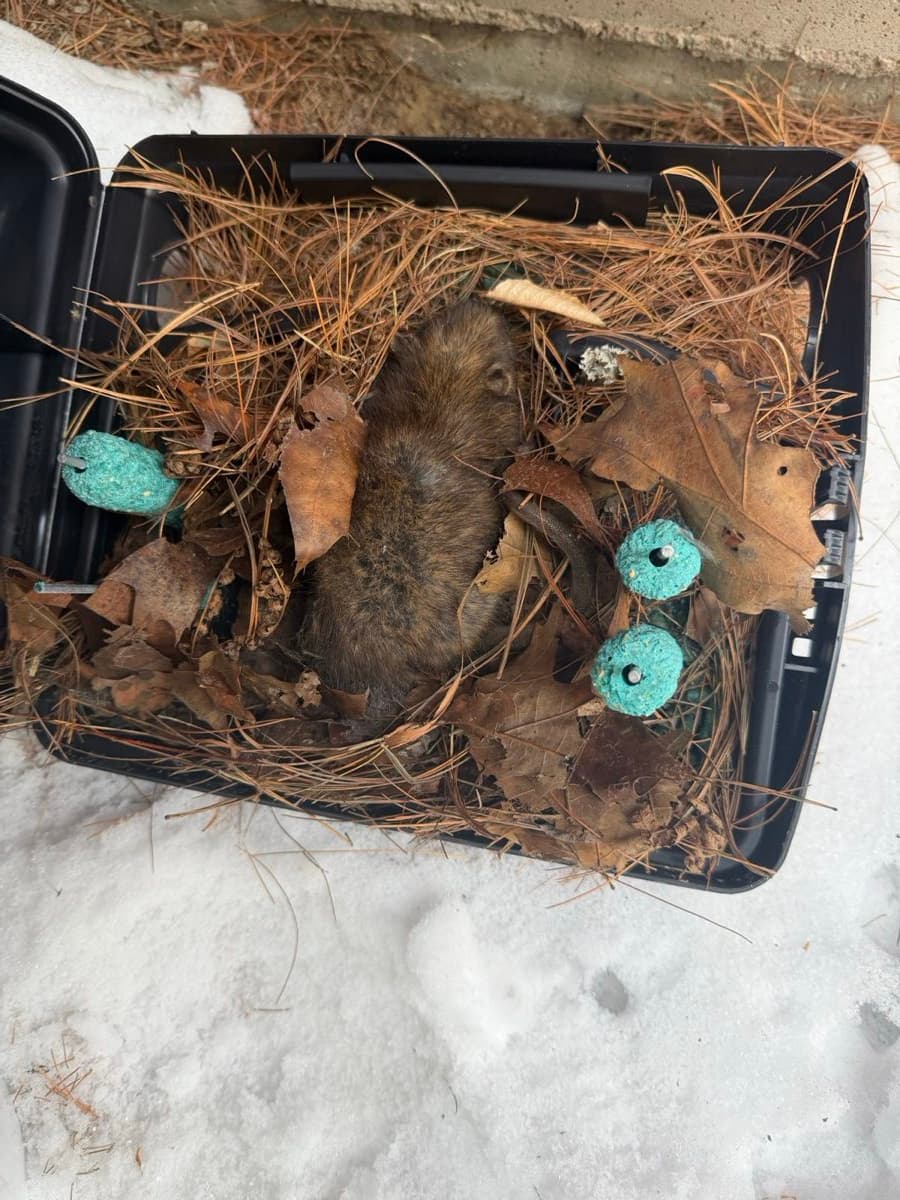
Phase 2: Interior trapping. With entry points sealed, we strategically place tamper-resistant bait stations and snap traps to eliminate the rodents already inside. This process typically takes two to four weeks depending on the severity of the infestation.
Phase 3: Monitoring and follow-up. We return to check stations, remove trapped rodents, and verify that the exclusion work is holding. Once activity stops, we clean up and make final recommendations.
Don't Forget About Contaminated Insulation
After a rodent infestation, your attic insulation is often contaminated with droppings, urine, and nesting material. This isn't just unpleasant — it's a health hazard. Rodent waste can carry hantavirus, salmonella, and other pathogens that become airborne when disturbed.
Our insulation services include removal of contaminated material and installation of new, properly rated insulation. Many homeowners find that replacing rodent-damaged insulation also significantly improves their home's energy efficiency and indoor air quality. It's a repair that pays for itself.
Protecting Your Business Too
Rodent problems aren't limited to homes. Restaurants, warehouses, grocery stores, and food processing facilities throughout Central Maine face serious consequences from rodent activity — including health code violations and lost inventory. Our commercial pest control programs include regular monitoring, exclusion work, and documentation for health inspections.
Want to understand the full picture of what pests are active and when? Our seasonal pest calendar for Central Maine breaks it down month by month.
Take Action Before Mice Take Over
Spring is the ideal time to address rodent issues. Warmer weather makes exterior work easier, and getting ahead of the breeding cycle now prevents a much bigger problem by fall. Whether you need a full exclusion or just an inspection and honest assessment, we're here to help.
Contact Campbell's Pest Control or request your free quote online. We serve homeowners and businesses across Central Maine, including Bangor, Waterville, Augusta, Newport, Palmyra, and Pittsfield. View all service areas.
You can also reach us by phone — we respond the same business day and schedule inspections as quickly as possible. Don't wait for the scratching to get louder.