
Maine consistently ranks among the top states in the country for Lyme disease cases, and Central Maine is right in the thick of it. Deer ticks — the primary carrier of Lyme — are well established across the region, and they become active far earlier than most people expect.
At Campbell's Pest Control, we take tick season seriously. Here's what every Central Maine family needs to know to protect themselves, their kids, and their pets.
When Does Tick Season Start in Maine?
Most people think of ticks as a summer problem, but in Maine, tick season can start as early as March. Adult deer ticks become active as soon as temperatures climb above freezing — which means that first warm week in late winter when you're excited to get outside is exactly when ticks are waking up too.
There are two peak activity periods: spring (March through June) and fall (September through November). But in reality, any day above 35-40 degrees Fahrenheit is a tick day in Maine. Our seasonal pest calendar covers how tick activity fits into the broader pest cycle throughout the year.
Types of Ticks in Central Maine
Three tick species are commonly found in our service area:
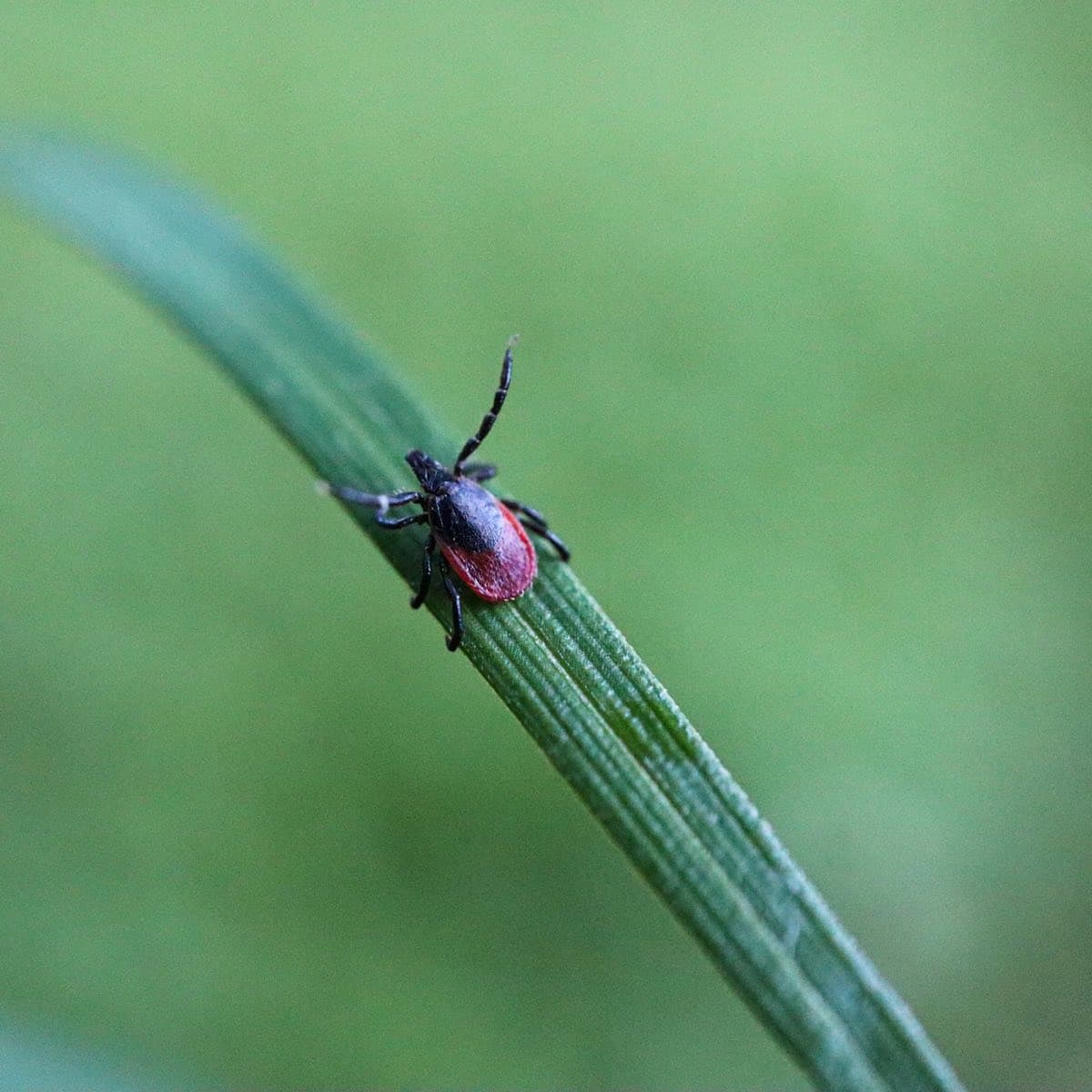
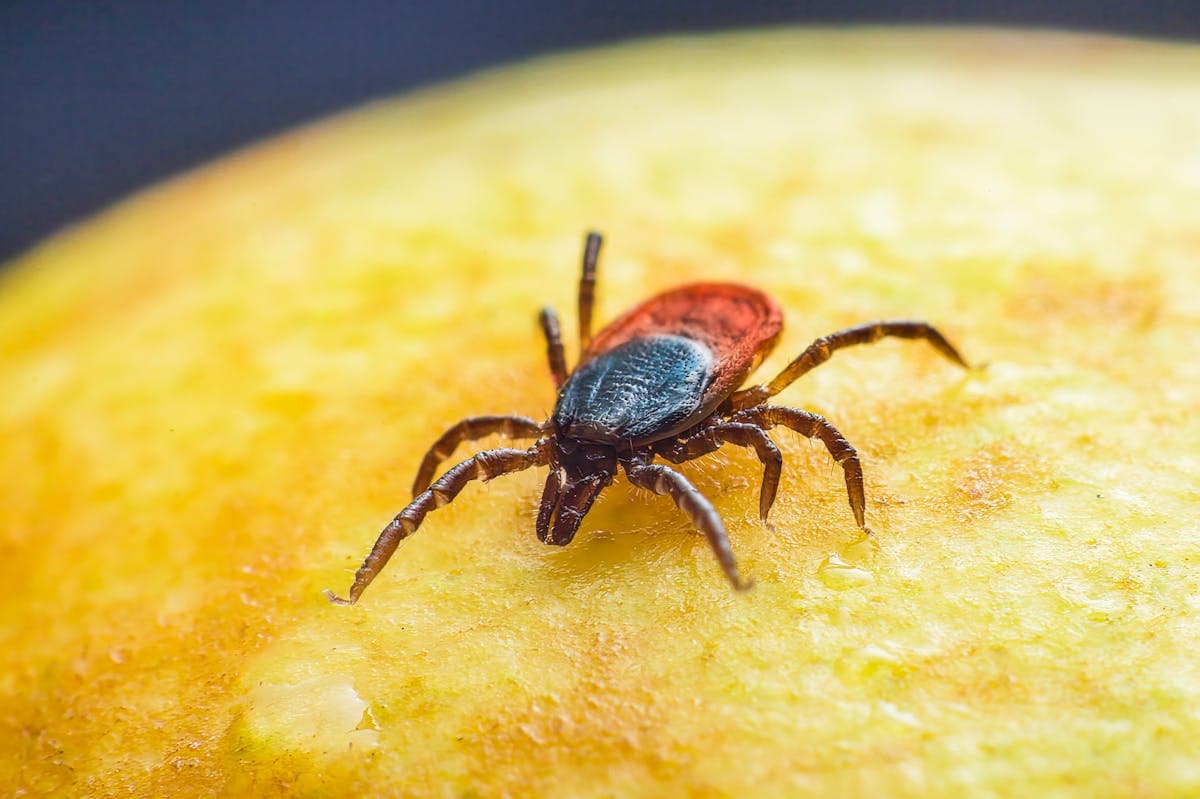
- Deer ticks (blacklegged ticks). The primary carriers of Lyme disease, anaplasmosis, and babesiosis. They're tiny — an adult is roughly the size of a sesame seed, and nymphs (which are most active in late spring and summer) are barely bigger than a poppy seed. That's small enough to bite and feed for days without you noticing.
- American dog ticks. Larger than deer ticks and more commonly found on dogs and in open grassy areas. They can carry Rocky Mountain spotted fever, though this is less common in Maine.
- Lone star ticks. Historically a southern species, lone star ticks have been expanding their range northward and are now found in parts of Maine. They're aggressive biters and can transmit ehrlichiosis and alpha-gal syndrome (the red meat allergy).
For a closer look at these and other common pests in our area, visit our pest library.
Lyme Disease in Maine: The Numbers
Maine has reported over 2,000 confirmed and probable cases of Lyme disease annually in recent years, making it one of the highest-incidence states in the nation. The actual number is likely much higher since many cases go undiagnosed or unreported.
Symptoms can range from the characteristic bull's-eye rash and flu-like symptoms to chronic joint pain, neurological issues, and heart problems if left untreated. Early detection is critical — but prevention is even better.
How to Protect Yourself and Your Family
Personal protection is your first line of defense against ticks:
- Wear appropriate clothing. Long pants tucked into socks, long sleeves, and light-colored clothing (so you can spot ticks) when hiking, gardening, or working in the yard. It's not glamorous, but it works.
- Use repellents. DEET-based repellents work on skin, but permethrin-treated clothing is even more effective. You can buy pre-treated clothing or spray your own with permethrin — it lasts through several washes and actually kills ticks on contact.
- Do thorough tick checks. After spending time outdoors, check your entire body — especially behind ears, in the hairline, under arms, behind knees, and around the waistband. Check kids and pets too. Ticks need to be attached for 24-36 hours to transmit Lyme, so finding them early is protective.
- Shower within two hours. Research shows that showering within two hours of being outdoors significantly reduces the risk of tick-borne illness, as it washes off unattached ticks and gives you a chance to find attached ones.
How to Reduce Ticks in Your Yard
Your yard is where most tick encounters happen — not deep in the woods. These landscape modifications can significantly reduce tick populations on your property:
- Remove leaf litter. Ticks thrive in moist, shaded leaf litter. Rake and remove accumulated leaves from under trees, along fence lines, and around garden beds.
- Keep grass mowed. Ticks don't like open, sunny areas. Keep your lawn mowed to three inches or shorter throughout the season.
- Create buffer zones. A three-foot-wide border of wood chips or gravel between your lawn and wooded areas creates a dry barrier that ticks are reluctant to cross. This is especially important for properties in Belgrade, Oakland, and other lakeside communities where yards often border dense woods.
- Manage wildlife. Deer are the primary hosts for adult deer ticks. Fencing, deer-resistant plantings, and removing attractants (like fallen apples or accessible gardens) can help reduce deer traffic through your yard.
- Stack woodpiles neatly. Messy woodpiles attract mice, which are the primary hosts for nymph-stage ticks. Keep firewood stacked neatly and off the ground, away from the house.
Professional Tick Treatments: What They Cover
Our mosquito and tick yard treatments provide a level of protection that DIY methods simply can't match. Here's what a professional treatment looks like:
Targeted application. We apply residual treatments to the areas where ticks live and wait for hosts — the transition zones between lawn and woods, under shrubs, along stone walls, around sheds, and in leaf litter. We're not blanket-spraying your entire yard. We're targeting the areas that matter.
Seasonal coverage. Most properties benefit from treatments every three to four weeks during peak season (April through October). Each application provides residual protection that breaks down naturally between visits.
Integrated approach. Treatment works best when combined with the landscape modifications described above. We'll walk your property and make specific recommendations based on your yard's layout, sun exposure, and proximity to woods or water.
Wondering whether professional treatment is worth it compared to DIY options? Our guide on DIY vs. professional pest control lays out the differences honestly.
Protecting Your Pets
Dogs and outdoor cats are highly susceptible to tick bites and can bring ticks into your home. Talk to your vet about tick prevention products — oral medications and topical treatments are both effective. But don't rely on pet treatments alone. Yard treatments reduce the overall tick population on your property, which protects everyone — pets included.
Check your pets after every outdoor session, paying close attention to ears, between toes, under collars, and around the face. If you find a tick, remove it with fine-tipped tweezers and monitor for signs of illness over the following weeks.
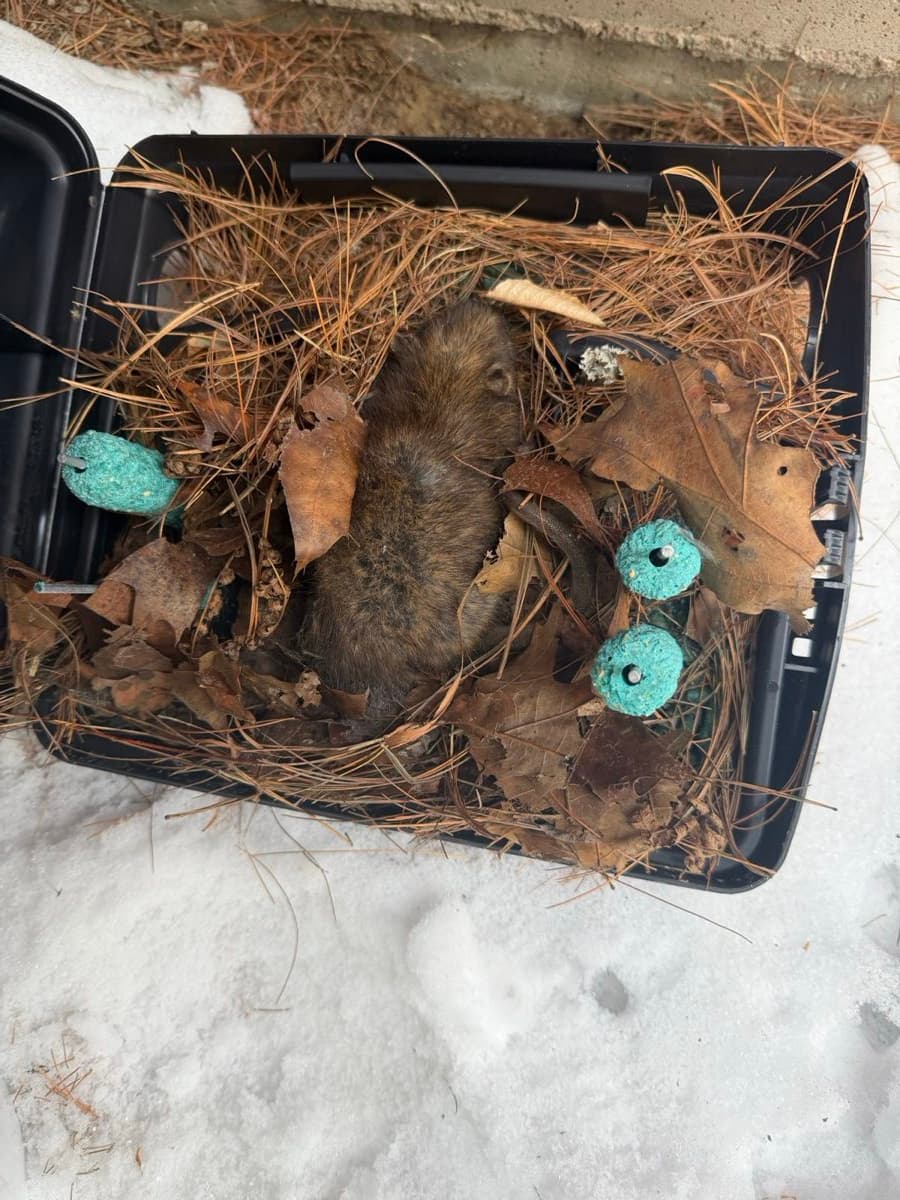
Rodent control also plays a role in tick management. Mice are the primary hosts for nymph-stage deer ticks, so reducing the mouse population on your property directly reduces tick numbers. Our spring guide to keeping mice out covers practical steps homeowners can take.
Don't Wait for a Bite to Take Action
Tick-borne diseases are preventable, but only if you're proactive. Once the season is underway, it's already harder to catch up. The best time to start tick treatments is before you find the first tick — not after.
Contact Campbell's Pest Control or request your free quote to set up a seasonal tick treatment plan. We serve families across Central Maine, including Belgrade, Oakland, Waterville, Augusta, and all surrounding communities. View all service areas.
Learn more about our team and our commitment to keeping Central Maine families safe outdoors. Our general pest control services can address any other pest concerns you may have alongside tick treatments.