
Fall Invaders
Stink bugs, Asian lady beetles, boxelder bugs, and cluster flies invade Maine homes every fall seeking warmth.
About Fall Invaders in Central Maine
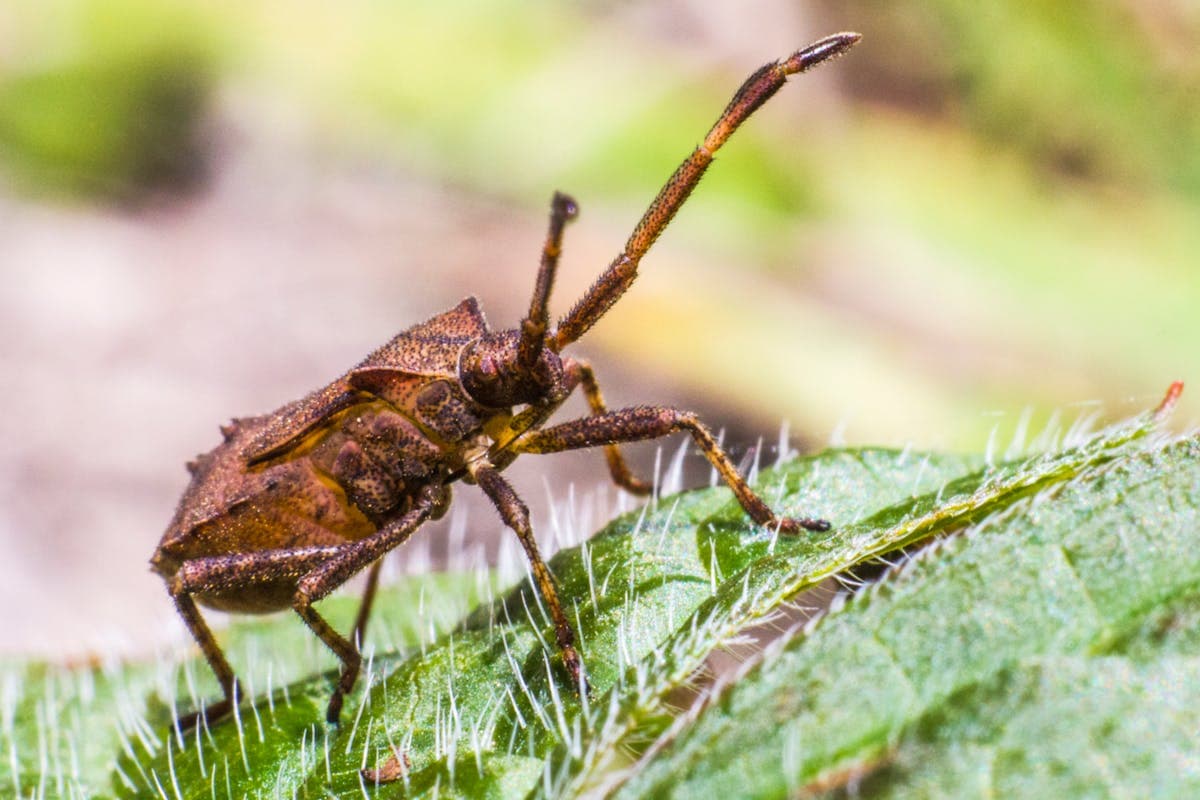
Every autumn in Central Maine, several insect species seek shelter inside homes to overwinter. Brown marmorated stink bugs emit a foul odor when crushed or disturbed. Asian lady beetles (often mistaken for ladybugs) congregate on sunny exterior walls and enter through gaps around windows and doors — they bite, stain surfaces, and trigger allergies. Boxelder bugs cluster on warm, south-facing walls. Cluster flies, larger and slower than house flies, pack into attics and wall voids by the thousands. These pests don't reproduce indoors, but they emerge on warm winter days and become a major nuisance. The best strategy is prevention — sealing entry points before fall arrives.
Seed bugs, lady beetles and cluster flies in Maine's fall
Homes ringed by pine, spruce and hemlock see the western conifer seed bug each fall. It is a 3/4-inch brown bug with a thin white zigzag line across its back, native to the Pacific coast and spreading east since the 1950s. UMaine Extension says it moves indoors at the end of summer and early fall, gives off a foul odor when handled, and buzzes like a wasp in flight. It does not harm the house, though Cornell has reported occasional damage to PEX plumbing and radiant heating lines.
Multicolored Asian lady beetles arrive around October, which is why UMaine calls them Halloween lady beetles. University of Kentucky researchers found flights are heaviest on sunny days after a cool spell, once temperatures climb back to the mid-60s, and that the beetles favor the southwest side of a building and high-contrast features like dark shutters on light siding. They do not breed or feed indoors, but they can pinch and their yellow fluid stains fabric.
Cluster flies are the farmhouse version. Their larvae parasitize earthworms, so a big lawn or hayfield means more flies. Screens do not stop them; they crawl through small gaps, old window pulley holes and around trim into attics and walls. Once they are in a wall, Penn State advises against spraying and recommends finding where they emerge indoors, usually behind baseboards, window and door trim and exhaust fans, and sealing those spots. Boxelder bugs follow seed-bearing female boxelder and silver maple trees.
Campbell's Pest Control offers general pest control in Augusta, Waterville, Bangor and the other Central Maine towns we serve.
Signs of Fall Invaders
- Large clusters of insects on sunny exterior walls in autumn
- Finding stink bugs, lady beetles, or boxelder bugs on windowsills
- Slow-moving cluster flies appearing indoors on warm winter days
- Staining on walls or curtains from crushed beetles
- A pungent smell when stink bugs are disturbed or vacuumed
Prevention Tips
- Seal cracks around windows, doors, soffits, and utility penetrations before September
- Install door sweeps and repair damaged window screens
- Apply exterior barrier treatments in late summer before migration begins
- Vacuum up invaders rather than crushing them (especially stink bugs)
- Reduce exterior lighting or switch to yellow bulbs to attract fewer insects
- Caulk gaps around trim, siding and fascia in late summer, before the first cool snap
- Screen attic and gable vents, a common lady beetle entry
- Seal indoor emergence points behind baseboards, window trim and bath fans
- Vacuum invaders and empty the canister outdoors instead of spraying indoors
- Consider removing seed-bearing female boxelder trees near the house
Did You Know?
- 1.Asian lady beetles release a yellow, foul-smelling fluid when threatened
- 2.Cluster flies parasitize earthworms during their larval stage
- 3.The brown marmorated stink bug is an invasive species from Asia, first detected in the US in 1998
Need Help With Fall Invaders?
Our general pest control service targets fall invaders at the source. Contact us for a free inspection and quote.