
Ticks & Mosquitoes
Ticks and mosquitoes carry dangerous diseases like Lyme disease, anaplasmosis, and Eastern Equine Encephalitis.
About Ticks & Mosquitoes in Central Maine
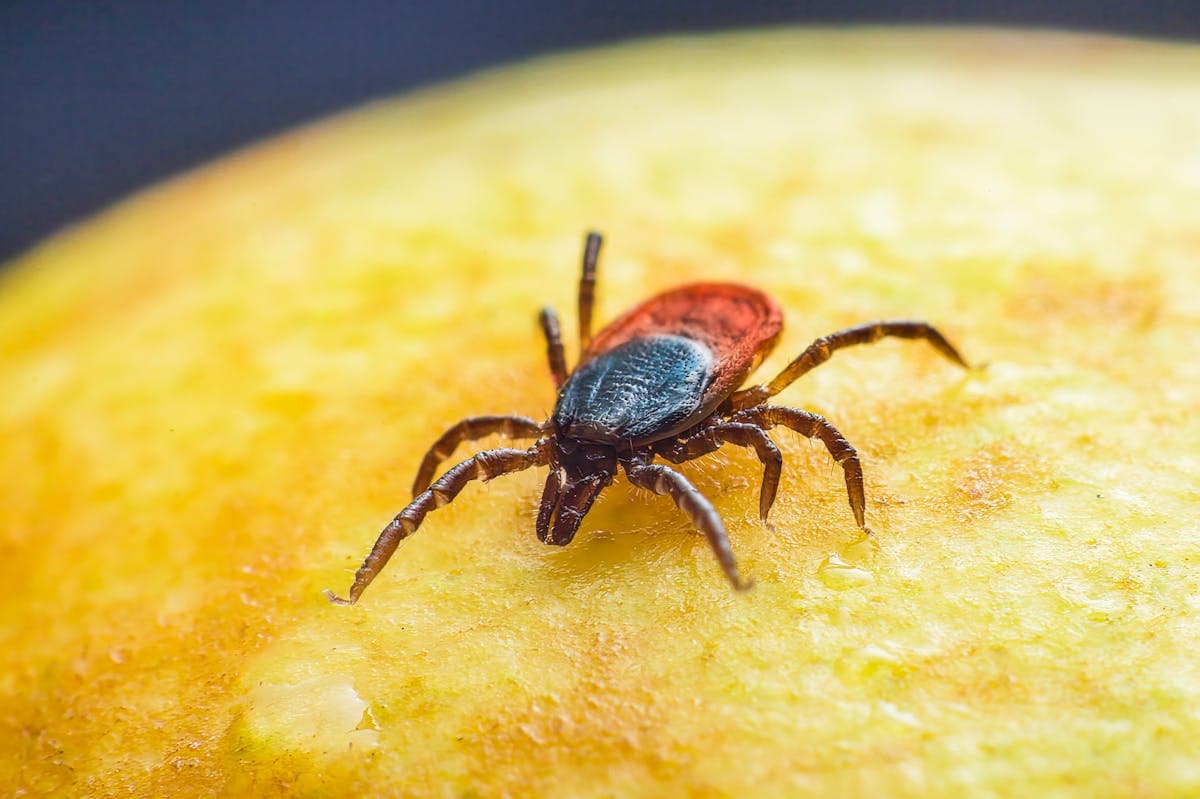
Maine has one of the highest rates of Lyme disease in the country, and the deer tick (black-legged tick) is the primary carrier. Ticks are active from early spring through late fall, and even into mild winter days. They wait on tall grass, leaf litter, and brush for a host to pass by. Mosquitoes are more than just a nuisance — in Maine they can carry Eastern Equine Encephalitis (EEE) and West Nile Virus. Both pests thrive in the moist, wooded environments common throughout Central Maine. Professional barrier treatments dramatically reduce tick and mosquito populations in your yard, making outdoor spaces safer for your family and pets.
Signs of Ticks & Mosquitoes
- Finding ticks on clothing, skin, or pets after being outdoors
- A bulls-eye rash (erythema migrans) after a tick bite — seek medical attention
- Mosquitoes swarming in shaded areas, especially at dawn and dusk
- Standing water around your property (mosquito breeding sites)
- Itchy mosquito bites, especially on exposed skin
Prevention Tips
- Keep grass mowed short and trim back brush and leaf litter
- Create a 3-foot gravel or wood chip barrier between lawn and wooded areas
- Eliminate standing water — clean gutters, empty flowerpots, and birdbaths weekly
- Wear long sleeves and use EPA-registered repellent when in wooded areas
- Check yourself, children, and pets for ticks after being outdoors
- Consider professional barrier treatments for your yard
Did You Know?
- 1.A tick must be attached for 24–48 hours to transmit Lyme disease
- 2.Maine reported over 2,000 Lyme disease cases in 2023
- 3.Mosquitoes are attracted to carbon dioxide, body heat, and dark clothing
Need Help With Ticks & Mosquitoes?
Our mosquito & tick control service targets ticks & mosquitoes at the source. Contact us for a free inspection and quote.