
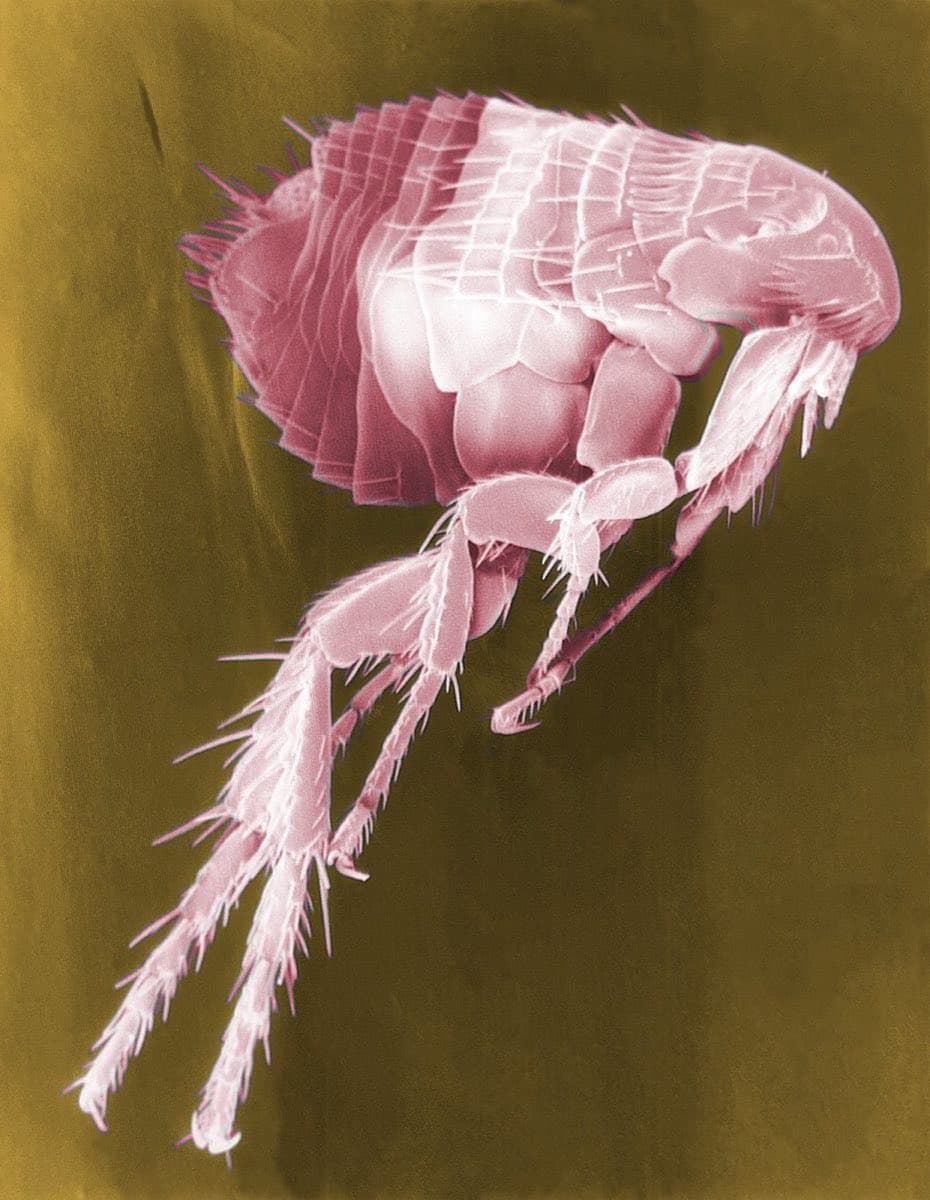
Fleas
Common in homes with pets, fleas spread quickly through carpets and furniture and can infest even clean homes.
About Fleas in Central Maine
Fleas are tiny, wingless parasites that feed on the blood of mammals and birds. In Central Maine, the cat flea is the most common species and infests both cats and dogs. Fleas are incredible jumpers — they can leap up to 150 times their own body length to reach a host. Once inside your home, fleas lay eggs in carpets, bedding, furniture, and cracks in floors. A single female can lay 40–50 eggs per day, and the entire life cycle from egg to adult can complete in as little as two weeks under ideal conditions. Flea infestations can explode rapidly and are notoriously difficult to eliminate with over-the-counter products alone, because only 5% of a flea population consists of adults — the rest are eggs, larvae, and pupae hidden in your home.
Cat fleas, wildlife and closed-up camps in Maine
The cat flea is behind most household flea problems, and UMaine Extension points out it lives on dogs as well as cats, and on raccoons, opossums and coyotes too. Rats and mice can also start an infestation or keep one going. That is why a home with no pets can still get fleas, usually after wildlife has used a porch, crawl space or outbuilding. University of Kentucky entomologists add skunks and squirrels to the list of animals that can carry them.
The cocoon stage is why fleas seem to come back. Kentucky's fact sheet notes the pupa sits in its silk cocoon for one to four weeks and the cocoon is impervious to insecticides. In an empty house pupae can hold off emerging, so a family moving in, or opening a seasonal camp, can be met by a burst of hungry fleas. Penn State describes the same pattern after vacations. UMaine notes bites cluster on the legs, feet and ankles and look like a small red spot with a red halo.
Control means treating the animal and the house together. Vacuuming daily for several weeks lifts eggs and larvae and prods adults out of their cocoons so treatments can reach them; empty the vacuum outside each time. Outdoors, Kentucky recommends treating only where pets rest, sleep and run rather than the whole yard. A professional is worth calling when bites continue after pets are on veterinary flea products, or when wildlife under the house is the source.
Campbell's Pest Control offers general pest control in Augusta, Waterville, Bangor and the other Central Maine towns we serve.
Signs of Fleas
- Pets scratching, biting, or licking excessively
- Tiny dark specks (flea dirt) in pet fur or on bedding
- Small red, itchy bites on ankles and lower legs
- Seeing tiny dark insects jumping on carpets or furniture
- Flea larvae (tiny white worms) in carpet fibers or pet bedding
- Hair loss or hot spots on pets from excessive scratching
Prevention Tips
- Keep pets on year-round veterinarian-recommended flea prevention
- Vacuum carpets, rugs, and upholstery frequently — dispose of the bag immediately
- Wash pet bedding in hot water weekly
- Mow your lawn regularly and remove leaf litter where fleas thrive outdoors
- Treat your yard in addition to your home for complete control
- Inspect and treat new pets before bringing them into your home
- Close off crawl spaces, porches and sheds where raccoons or skunks could den
- Vacuum floors and furniture thoroughly before reopening a camp or moving into a vacant house
- During an outbreak, vacuum daily for several weeks and empty the canister outdoors
- Treat outdoor areas only where pets rest and sleep
- Control mice and rats, which can sustain fleas in a pet-free home
Did You Know?
- 1.A flea can jump up to 8 inches high — equivalent to a human jumping over a 30-story building
- 2.Flea pupae can remain dormant in carpets for up to a year waiting for vibrations that signal a host
- 3.Fleas consume 15 times their body weight in blood daily
Need Help With Fleas?
Our general pest control service targets fleas at the source. Contact us for a free inspection and quote.